





Archive for the ‘Nutrition Tips’ Category

Thu / 02 / 02 / 12

Brighten Up Your Morning Oatmeal!

muscle-mass-oatmeal

Written by: Tiffany Hinesley, Personal Trainer @ O2 Fitness Chatham

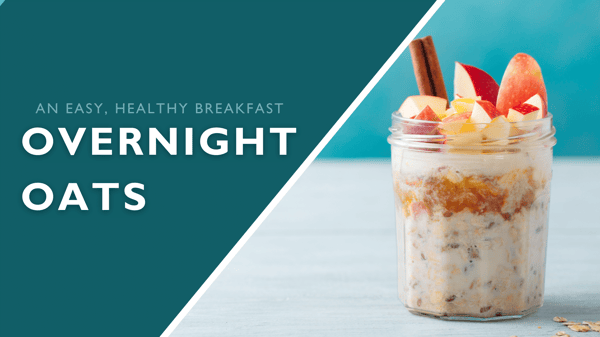
Oatmeal is a great way to start your mornings. It is filling and full of fiber, but eating just plain oatmeal everyday can be monotonous. Here are two of my favorite ways to jazz up your everyday oats.

I normally pre-make my oatmeal the night before by putting the oats and almond milk in a bowl and leaving it in the fridge overnight. I then add the toppings in the morning.

Dark Chocolate Peanut Butter Banana Oats:

  • 1/2 cup oats
  • 1/2 cup almond milk (unsweetened)
  • 1 banana sliced
  • 1 tablespoon of dark chocolate peanut butter

Apple Pie Oats:

  • 1/2 cup oats
  • 1/2 cup almond milk
  • 1 apple cut into bit size pieces
  • 1 teaspoon apple pie spice
  • 1 tablespoon honey

Mon / 01 / 09 / 12

Easy Cabbage Soup Recipe | O2 Fitness

Submitted by: Chris Mitchell, Raleigh Personal Trainer and GroupX Instructor, O2 Fitness Brennan Stationroyalty-free-food-image-cabbage

This super healthy, vitamin rich, high antioxidant, low fat, low calorie soup is the bomb!  Plus it’s so easy to make, and doesn’t require a lot of ingredients.  This has been a favorite soup since I was young (Thanks Mom).

Cabbage Soup: for a large pot (lessen ingredients for smaller quantity)

  • 1 head raw cabbage, chopped
  • 1 head raw broccoli (or cauliflower), cut into small florets
  • 2 gold potatoes, cut into small cubes
  • 2 large cans tomato juice
  • 1 can vegetable broth (or chicken broth)
  • Adobe seasoning
  • Turmeric seasoning

Put all above ingredients into large pot and cover with lid, bring to a boil, then reduce heat to medium and cook (stirring occasionally) until veggies are cooked to preferred texture.

I like to add a little protein to my bowl to make it a complete meal, so I add a little chopped veggie meat (tofu or veggie sausage).  You can add whatever protein you like, but try to keep it lean.  A little Parmesan cheese sprinkled on top is a nice treat too.

Wed / 12 / 28 / 11

Belly-Flattening Breakfast Choices

By Mehmet C. Oz, MD, and Michael F. Roizen, MD

Submitted by Chris Mitchell, GroupX Instructor, O2 Fitness Brennan Station

healthy-omelettes
Need weight-loss help? This will make a big belly difference: Start your day with a high-protein breakfast (think eggs, maybe in a frittata). This shifts your appetite into neutral, where it will idle happily till lunch. Add some fiber to the meal, such as whole-wheat toast, and you’ll curb afternoon cravings. Imagine getting halfway through a day of healthy weight loss without needing any willpower! That’s because having plenty of protein and fiber early keeps you fueled and full for hours.

Not an egg lover? Have oatmeal topped with walnuts (learn how to make it overnight in the slow cooker), or smear peanut butter on your whole-wheat toast. Ready to just grab the toast solo as you zoom out the door? Think again. You’ll be elbow-deep in the candy bowl before lunch.

Block Snack Attacks with Protein
News flash: If you don’t get a certain amount of protein each day, but especially in the morning, your appetite shifts into snack-attack mode. Not only do you overeat, but you eat high-calorie, high-fat, high-sugar snacks — the kinds of foods that go straight to your waistline and make your belly bigger.
Adults usually get plenty of protein, just not in the morning. About half get none because they skip breakfast entirely, which is another reason breakfast skippers tend to put on pounds. They haven’t eaten since the night before, so their bodies get panicky by mid-morning, wondering when/if the next meal is coming. The result? Their bodies start storing calories instead of burning them. 

Successful weight loss, which includes not gaining back your hard-lost pounds, is about staying full, not going hungry. Hunger and cravings are your enemies. Feeling full and content are your allies. Morning protein and fiber? They’re your secret weapons.

Wed / 11 / 23 / 11

Last Minute Healthy Thanksgiving Recipe Idea: Creamy Broccoli Potatoes

SD6201Submitted by Jason Peters, General Manager @ O2 Fitness Chatham

CREAMY BROCCOLI POTATOES
Ingredients
•    1 pound broccoli, trimmed and coarsely chopped
•    1/2 pound russet potatoes, peeled and diced
•    4 scallions, thinly sliced
•    1/2 quarts water
•    1 teaspoon salt
•    1/4 teaspoon black pepper
•    2 tablespoons butter
•    1/4 cup fresh-squeezed lemon juice

Directions

1. In a large pot, cook broccoli, potatoes, and scallions in 1 1/2 quarts of simmering water until vegetables are very tender, about 15 minutes.

2. Drain, reserving 1/2 cup cooking liquid.

3. Combine vegetables with reserved cooking liquid in food processor. Pulse until mixture is almost smooth.

4. Whirl in salt, pepper, butter, and lemon juice. Serve immediately.

Mon / 11 / 21 / 11

5 Thanksgiving Tips

Written by Brian Kenney, General Manager @ O2 Fitness Wilmingtonthanksgiving-bb

Don’t deprive yourself during Thanksgiving! This is the time to enjoy good food, football, family and friends. Moping in one corner with a handful of carrot sticks isn’t going to work (and will probably not go over very well with the cook). But this doesn’t mean that you have to completely drop your weight loss program. Here are some ways you can enjoy good food while still controlling your calorie intake.

Tip # 1:
Have a healthy snack before you join the party.
Don’t starve yourself so you can save your appetite for the big party. If you’re starving, you’re more likely to eat everything you can grab. Plus, you’ll be so hungry that you won’t actually be able to eat at a leisurely pace or even enjoy all the different selections of food.
Try to have a low calorie snack before you go to the party, or if you don’t have time, fill up on the salad before you hit the main course.

Tip # 2:
Stay away from fattening appetizers.
The turkey and sidings and your mother’s pumpkin pie will already be laden with calories. So skip the appetizers like the cheese platter or the rich pate. Or, take just a few bites, saving your calorie count for the big event.

Tip # 3:
Watch your portions.
One serving of turkey roughly measures a deck of cards. Try to get the breast, which has less fat than the dark meat. One serving of mashed potatoes or turkey stuffing is roughly the size of half a baseball.

Tip # 4:
Catch up on the family news
That’s the real reason why Thanksgiving is so special, anyway: family and friends get together and catch up on each other’s lives. So mingle, play with the kids, look at the family photos, throw the football or corn hole in the backyard, play fetch with your old dog—in other words, spend most of your time away from the dinner table.

Tip # 5:
Eat consciously.
It’s okay to sit at a dinner table and say, “I’m going to enjoy this meal.” But avoid the unconscious nibbling where you eat without even savoring the food. Don’t hang around at the table, absentmindedly popping cheese and crackers in your mouth while you talk to your uncle. Skip the sodas and juices (you can easily finish off 3 to 4 glasses, or 1,200 calories, just while walking around the house). Don’t eat peanuts while watching TV. Save the calories for the meals that really matter to you!

Fri / 11 / 18 / 11

5 Airport Travel Rules + Healthy Recipes!

airport-food-courtWritten by: Kat Gunsur, Chapel Hill Personal Trainer @ O2 Fitness Chatham

With Thanksgiving and holiday travels on the horizon, I wanted to take a moment to talk about traveling and airport food! Airports can be a scary place when all you see is McDonalds, Ben and Jerry’s, Cinnabon and Carolina Pit BBQ, but not to fear….

Kat G’s 5 Travel Rules (check out my video on YouTube!)

  1. Bring your own food.
  2. Prepare for longer travel.
  3. Be prepared! (Educate yourself on restaurants; bring extra food just in case)
  4. Stretch! (click the link for my video).
  5. No excuses!!! ***This one’s the most important, it is your choice whether you workout or eat healthy while traveling.

Places to eat in the Terminal with Healthy Options

  • Starbucks – Perfect Oatmeal w/nuts and dried fruit – 340 calories
  • McDonalds – Bacon Ranch Salad with grilled chicken – 230 calories
  • Chili’s – Guiltless Salmon with steamed veggies – 480 calories
  • Panda Express – mixed veggies with steamed rice – 390 calories

Want to bring your own food? Try these simple and healthy recipes:

Curry Chicken Salad

Ingredients – 4 chicken breasts, 4 celery ribs chopped, 1 cup shredded carrots, 1 tablespoon green onions chopped fine, 1 yellow onion chopped, 1 cup of Greek yogurt, 2-3 tablespoons curry powder

As the chicken is cooking prepare the rest of your ingredients by chopping the onion, celery and green onion
Mix together the Greek yogurt and curry powder
Once chicken is cooked, chop the chicken fine and then combine all the ingredients into large Tupperware of stirring bowl.
You now have curry chicken salad for the rest of the week
Add to rice, salads, sandwiches or wraps!

Asian Chicken Salad

Ingredients – 4 chicken breasts, 1 red pepper, 1 tablespoon green onion, 1/2 tablespoon ginger, 1/2 tablespoon, garlic, salt, pepper, shredded carrots, walnuts
Rice Wine Vinaigrette
6 tablespoons rice vinegar, 5 teaspoons soy sauce, 4 teaspoons green onion chopped fine, 1 teaspoon chopped ginger, 4 tablespoons olive oil

Combine chicken, green onion, ginger, and garlic in a pan. Add salt and pepper to taste
As chicken is cooking, make rice wine vinaigrette. Combine all ingredients except olive oil together in Tupperware. Stir and then slowly add olive oil to mixture while whisking the ingredients.
Serve your chicken on top of a salad with the chopped red pepper, shredded carrots, walnuts and rice wine vinaigrette

Chunky Light Tuna Salad

Ingredients – 10 small cans of tuna in water drained, 1 cup of Greek yogurt, 2 tablespoons of honey, 3 celery ribs chopped, 1 tablespoon green onion chopped fine, 1/2 yellow onion chopped, 1/2 teaspoon cayenne pepper salt and pepper to taste

Combine Greek yogurt, honey and cayenne pepper together in separate bowl. Once whisked pour mixture over tuna, celery, green onion and onion
Add salt and pepper to taste. Use the tuna salad for spinach salad, wraps or sandwiches! Add red pepper, kidney beans, carrots or nuts to mix it up during the week!

and since you’ve been so good staying on track, here’s a special treat for you!

Peanut Butter Ice Cream…. it’s AH-mazing!!!

2 frozen bananas broken up into small pieces
4 tablespoons natural peanut butter
Quarter cup of almond milk, skim milk etc.

Blend in blender or food processor
Delicious!!!

Wed / 11 / 16 / 11

Butternut Squash Soup | O2 Fitness Healthy Recipes

Submitted by Drew Schultz, Raleigh Personal Trainer @ O2 Fitness Falls/540

For Thanksgiving, we have yet again temptation and opportunity to get off track. So enjoy yourself while still eating healthy! Here is a seasonal soup with an antioxidant and protein benefit that is sure to be a hit at your gathering:

Butternut Squash Soup with Greek Yogurt (8 servings)

Green-Apple-Butternut-Squash-Soup-1-of-2

Ingredients:

  • 1 butternut squash (halved and seeded)
  • 2 large onions (peeled and quartered)
  • 1 medium head garlic
  • 6 cups vegetable broth
  • 1 bay leaf
  • 1 teaspoon brown sugar
  • 1 teaspoon mild curry powder (optional)
  • 1/2 teaspoon dried oregano
  • 1/2 teaspoon ground cinammon
  • 1/4 teaspoon ground nutmeg
  • salt and pepper to taste
  • 1 cup greek yogurt
  • 1/4 cup chopped fresh parsley (optional)

Directions:

  1. Preheat oven to 350 degrees .
  2. Line a baking sheet with aluminum foil or parchment paper.
  3. Place squash halves and onion on the baking sheet. Wrap garlic in foil, and place on sheet.
  4. Roast in oven for 45-60 minutes until the quash is tender. Once out of the oven, let cool for handling.
  5. Squeeze garlic cloves into a food processor. Scrape squash flesh and add to the food processor, along with the onion.
  6. Puree until smooth, adding some vegetable broth until desired consistency.
  7. Place puree in a large covered stovetop pot and add remaining broth.
  8. Add the remaining seasonings/spices (save parsley for presentation) and bring to a boil.
  9. Let gently simmer for ten minutes.
  10. After removing from heat, stir in the Greek yogurt. Certain Greek yogurts are often thicker than typical yogurt, so it may not dissolve uniformly.
  11. If you prefer, garnish with parsley upon presentation.

Mon / 10 / 31 / 11

5 Tips to Help You Avoid Halloween Mishaps!

Written By Casey Johnson, Group Fitness Manager, O2 Fitness Fuquay Varinahalloween-candy_300

Halloween always seems to kick off the downward spiral into the season of binge eating and bad habits.  But enjoying the holidays doesn’t have to ruin all the hard work you’ve put in since last year.  This time, why not make a commitment to take just a few small steps to avoiding those holiday mishaps, while still enjoying yourself and the food around you!

Indulge a little…not a lot.
One piece of candy, or even a few, is not going to make or break all the hard work you’ve put in so far this year.  But sitting down with the bag will!  Don’t deprive yourself of holiday goodies all together, just have them in moderation.

Easier said then done, right?

Avoid the binge by rationing.
Stash your candy (or your kids’) out of sight and out of reach.  If you have to work a little harder to access it, you won’t be quite as likely to be dipping into it all day.  When you do go to have a treat, trick your craving by getting out one or two pieces at a time.  Enjoy those and save the rest for later.

Make good choices throughout the day.
Too many times we make one bad food choice and then just chalk up the whole day.  Instead,  just continue making good food choices the rest of the day, and then those few pieces of candy or that piece of pie won’t be such a big deal.

Hang out anywhere but the food table!
Holidays are always a great excuse to have a party, but they don’t have to be a good excuse to lose control.  Enjoy the food offered but avoid hanging out next to the table where you’re more likely to continue to dip into snack food.  Fix a plate and then walk away.

Head back to the gym!
Of course, nothing feels better than burning off those extra calories from a pack of M&Ms or some candy corn.  When the holidays get the best of you, have fun, shrug it off and then head to your nearest O2 Fitness location for some great fitness classes.  Check out how many calories you’re burning (on average) each time…

BODYSTEP 620            BODYFLOW 390            BODYCOMBAT 737              RPM 675

SH’BAM 506                        BODYPUMP 530            BODYATTACK 735                        CX30 230

Fun Fact: A miniature Twix bar has 50 calories, a Milky Way 40 calories, and a Snickers 80 calories.    Guess how many treats that is per class?  You do the math and then enjoy!

[Sources:  LesMills]

Fri / 10 / 28 / 11

2 Candy Alternatives to Chew Over | O2 Fitness Clubs

Written by Drew Schultz, Raleigh Personal Trainer @ O2 Fitness Falls/540images

Now that Halloween is upon us, it is easy to fall prey to the temptation of giving in to things that we usually put off limits from ourselves. Perfect example: Halloween Candy!

Candy Alternative #1

First of all, there are just plain better options than packaged candy. When I am tempted to have sweets after a meal, I often have some fruit instead – blueberries, strawberries, etc, have just enough natural sweetness. I also find the frozen versions are not as tart (particularly blueberries) and actually taste sweeter than their fresh counterparts.

Candy Alternative #2

Another thing I remind myself of is that when you have something really sugary, it feels like you need your teeth sandblasted afterward- especially from soda, but certainly candy as well. Think about how horrible that insulin coma-like feeling that occurs after you indulge. This is because your body pumps an unusually high amount of insulin through your bloodstream to shuttle the sugar to the storage areas (fat, in this case), and then your bloodsugar rapidly drops when the deed is done. You feel tired again, and all those calories were consumed for nothing.

Even though these times of the year are few and far between, the slippery slope excuse comes into effect for many people: “If it was ok yesterday, then what’s wrong with it today?” This soon evolves into “If it was ok this afternoon, then I guess its okay this evening”. This same self talk applies to exercise.

So try your very best to stay away from the Halloween candy this year – and if you succeed – reward yourself with something special – like a new pair of tennis shoes or an O2 Fitness personal training session!

Mon / 10 / 24 / 11

Nutrition Made Simple | NC Health and Fitness Clubs

Written by Drew Huffman, Raleigh Personal Trainer @ O2 Fitness Wakefield nutrition2

Often times people over complicate nutrition, constantly trying different fad diets, magazine diets, or a diet off of the internet. First of all, try and stay away from fad diets all together. They may work for a short period of time, but you will most likely gain the weight back at some point. The key to nutrition is to find eat a balanced diet that can be adjusted (based on your goals) and maintained as a part of every day life.

It would be in your best interest to find a calorie calculator on the Internet that will take your dimensions (height and weight), age, your fitness goals, and your daily activity levels to calculate your daily caloric intake. Once you have that number, divide it by four. Take the number you get, and use that as the number of calories you take in for breakfast, lunch, and dinner. Split the remaining calories into 2 snacks, one between breakfast and lunch, and one between lunch and dinner. Doing this will give you five “meals” a day, which will help prevent your body from going into starvation mode (when your body stores calories automatically).

Aside from your calorie management, try and avoid excessive amounts of fat and sugar, and when given a choice, choose the healthiest option available!

Tue / 10 / 11 / 11

Strawberry Cheesecake Protein Shake?! | O2 Fitness

StrawberryCreated and written by: Steve Mongno, General Manager, O2 Fitness Cary

Need to boost up your Protein or get a good replacement meal but tired of the same-old bland mixes? How does a nice Strawberry Cheesecake sound?? This shake is like going to Baskin Robbins (if you ask me…better!) and it’s 100% healthy. I use the Visalis V-Shape Sweet Cream Mix (ask any O2 personal trainer how you can get on the Body by Vi Challenge) but you can utilize any Protein powder you desire that is cream or vanilla flavored if you prefer.

Ingredients:

  • 2 scoops Vi-Shape Protein Powder
  • 10 oz Low-fat Almond Milk (Can use Skim or Soy)
  • 5 Frozen Strawberries
  • 1 Tablespoon Non-fat Cottage Cheese
  • 1/2 Graham Cracker (crushed)
  • 4-6 Ice Cubes

Blend away and Voila! You have one delicious Protein shake.
Enjoy!

Thu / 09 / 15 / 11

6 On-The-Go Protein Options for Endurance Athletes

Submitted by Jason Peters, General Manager @ O2 Fitness Chatham

Historically, nutrition plans for endurance athletes have been centered on carbohydrates and hydration.  But it has also become widely accepted that endurance athletes require significantly more protein than the standard adult recommended dietary allowance (RDA).  While pure power and strength is often thrown by the wayside when training for an endurance event, maintaining sufficient muscle mass is critical.  Failure to do so subjects an athlete to the following potential detriments:

  • Delays in recovery
  • Loss of power
  • Increased injury risk
  • Weaker immune system

So how do you go about incorporating protein into your diet?

If you’re anything like me, dinner most nights consists of some sort of turkey, fish, beef or chicken as the centerpiece–a good protein foundation.  But I don’t typically have the time or energy to cook eggs in the morning.  Nor do I have the foresight or inclination to grill a whole week’s worth of lean meats to pack with my lunches.  Below are some easy, low-prep options that can give you a steady influx of much needed protein throughout the day.

6 On-The-Go Protein Options for Endurance Athletes

  1. Cottage cheese–It’s one of those “love it” or “hate it” things, I know.  But I’ve been eating this stuff since I was a kid (yum…thanks, Mom!!).  Slap some blueberries, raspberries, tomatoes or strawberries in there and you have yourself a nice breakfast or mid-morning snack.
  2. Greek yogurt–Aside from the fact that I prefer the texture versus its more traditional counterparts, Greek yogurt typically has about half the sugar and 75% more protein!!  Just like with cottage cheese, I buy it plain and load it up with fresh fruit.
  3. Almond butter–It’s not what you ate on your PB&J sandwiches as a kid, but almond butter is pretty similar to peanut butter without all of the hydrogenated oils and extra sugar.  It also has twice as much Vitamin E as peanut butter and 20% of your magnesium RDA.  Give it a shot!  You may never go back to your ‘Skippy’ again.
  4. Tuna–I use the Starkist pouches, which probably aren’t nearly as good as a fresh tuna steak from your grocer’s meat counter, but they’re easy and pack 18 grams of protein.  No draining required…I eat ‘em right out of the pouch with a little mustard mixed in!
  5. Milk–It doesn’t get any easier than milk.  I occasionally jumpstart my metabolism with a Carnation Instant Breakfast and a cup of skim milk, a combo that nets me about 220 calories and 13 grams of quality protein.  While I try not to do this every day, it’s a good way to quickly get some calories in me while I’m on my way out the door.  Grab a banana for the road and that’s a decent makeshift breakfast.  My rule on milk is…2% milk is a perfectly balanced meal on its own, so if you are in need of a small, quick meal, you can’t beat 16 ounces of ‘moo-juice’.
  6. Myoplex by EAS – Within 30 minutes of completing any workout, I try to load up on protein to aide in recovery. Myoplex is my favorite, packing 42 grams of protein per shake.  It is somewhat pricey, but not when compared to the cost of getting that much protein from another source.  I usually reserve it for my most intense workouts.  It is delicious and worth the investment to get your muscles back on the right track.

Wed / 09 / 07 / 11

Berry Fresh Dessert

Berry-Easy-Dessert_s4x3_lgThis recipe is a great, healthy idea and a great way to cool off on a summer night, so get your fill of these berries while they are still in season!

Berry Fresh Dessert (thanks Rachel Ray!)

Ingredients:

  • 1 pint Greek style plain yogurt
  • 4 pieces of crystallized ginger, grated
  • 1/3 cup of honey plus more to drizzle over the top
  • 1 orange zested
  • 1 pint blackberries
  • 1 pint raspberries
  • 1 pint blueberries

Directions:

  1. In a bowl, combine yogurt, grated ginger, honey and orange zest.
  2. Let the mixture sit for 5-10 minutes so the flavors can mix.
  3. Divide all berries between 4 dessert bowls.
  4. Spoon yogurt mixture on top of berries and drizzle with honey.
  5. Serve immediately.

Thu / 08 / 25 / 11

Which Contributes to Better Metabolism: 3 Large Meals or 6 Smaller Meals?

Submitted by Stuart Yeatts, General Manager, O2 Fitness Express

How many meals should one eat through out the day to achieve maximum weight loss and overall health benefits?  3 large meals or 5-6 smaller meals?  One of the most important keys to building muscle, losing body fat, and feeling energetic throughout the day is controlling your metabolism.  Metabolism is the chemical process that the nutrients in your food go through once eaten.  Eating smaller, more frequent meals is a sound nutritional strategy that can help you achieve your weight loss goals while increasing your metabolic rate.

Consuming five-six meals every three hours or so evenly throughout the day is much more efficient than eating only two meals equaling the same amount.  But what if I am not hungry every three hours?  We still need to eat.  When we do not consistently feed our bodies, our bodies go into “panic” mode meaning it will hold on to stored body fat.  This makes it harder for you to drop those unwanted pounds and tone and firm those trouble areas.  So if we feed our bodies on a regular basis then there is no need for it to hold on to the body fat it reserved from “panic” mode.

Now no one is suggesting that you should force down six full course meals in a day.  Common sense dictates that eating more often allows you to eat smaller meals; on the whole, your caloric consumption will have increased dramatically, but each meal will be small enough to simply satisfy, not stuff.  For most people six meals a day is more practical when you consider prep time, work schedules, food costs and simple eating time.

getty_rf_photo_collage_of_multiple_small_meals

In the end, increasing the number of meals you consume in a day will allow to  manipulate the efficiency of your metabolism; it will give you more energy, allow you to concentrate better and give you more stamina for life. What it will also do, and this is important to the bodybuilder, is allow your body to run on complex carbohydrates, which take longer to process and provide better, longer lasting energy (providing you’ve made smart choices for those meals), leaving virtually all of your protein intake for muscle repair, and in turn enhancing your ability to gain lean muscle mass.

Wed / 06 / 29 / 11

The Dirty Truth about High Fructose Corn Syrup

Jonny Bowden, PhD, CNS, also known as The Rogue Nutritionist, a nationally known expert on weight loss and nutrition.

from: Natural Health Sherpa

highfructosecornsyrup“I am in awe of the recent TV commercials where two mothers are talking and one questions the other about serving some sweetened fruit punch to her kids.  The first mother says, “That stuff’s got high fructose corn syrup in it, and you know what they say about that.

To which the second mother replies, “What?  That it’s natural and made from corn? And that in moderation, it’s perfectly fine?”

Clever commercial.  And utterly misleading.

Understanding Sugar…

In the beginning, there was plain old table sugar, also known by its scientific name, sucrose.  Sucrose is a disaccharide (“di” meaning “two,” “saccharide” meaning “sugar”).  That means it’s actually a blend of two “simple” (mono) saccharides, in this case glucose and fructose.

Take a molecule of glucose and a molecule of fructose, link them with a chemical bond and presto, you’ve got yourself a molecule of sucrose.  Put a bunch of those sucrose molecules together in a bowl, place the bowl on the table at the local diner with a little spoon in it, and you’re in business.

Now it’s pretty much a given that high intake of sugar is bad for you, and a list of all reasons why would pretty much fill a book, so let’s save that for another day.  But what’s interesting is that a fair amount of research has been done investigating exactly which of the two components of sugar is worse for you—glucose or fructose.  And the hands-down winner in the “this stuff is bad” category is…fructose.

Figuring Out Fructose…

Fructose is a naturally occurring fruit sugar found, for example, in an apple.  In this form, fructose is absolutely fine.

But the difference between fructose in an apple and fructose in a soda is the difference between a beautiful fur coat on a wild fox and that same fur on the back of a lady at the opera.  It’s gorgeous on its original owner (the fox).   But on the lady?  Not so much.

When fructose is found in its original setting (like an apple or a berry), it’s surrounded with healthful nutrients like phytochemicals and fiber.  When it’s extracted and made into a liquid sweetener, it’s a complete nightmare.

Studies have shown that fructose produces insulin resistance in animals.  Insulin resistance is a central feature of metabolic syndrome and type ll diabetes.

More than any other kind of sugar, fructose raises triglycerides—a serious risk factor for heart disease.  In 2000, Canadian researchers at the University of Toronto fed a high-fructose diet to rodents that have a fat metabolism similar to our own—Syrian golden hamsters.  In a matter of weeks, the hamsters developed both elevated triglycerides and insulin resistance.

Fructose has also been linked to non-alcoholic, fatty-liver disease.  Rats that were given high fructose diets developed a number of undesirable metabolic abnormalities including elevated triglycerides, weight gain, and extra abdominal fat.  So it’s no wonder it contributes mightily to creating new fat on your body.

Interestingly, fructose does not raise blood sugar very much, leading to the wrongheaded idea (popular for a while) that it’s a “good” sugar for diabetics.  It’s not.  It’s bad news.

From Bad to Worse…

Now in the “olden” days, sugar—table sugar that is, plain old sucrose—was expensive.  Not maybe for the average Joe picking up a bag at the grocery store, but for food manufacturers wanting to sweeten products, it was definitely a high-ticket ingredient.

Between sugar tariffs that drove the price of sugar higher and corn subsidies the forced the price of corn lower, a perfect environment was setup to allow food manufacturers to find a solution to the problem of expensive sugar.  Enter high fructose corn syrup.

Take a subsidized crop (like corn), perform a bunch of chemical operations on it, and voila, you had something that was even sweeter than sucrose at a fraction of the cost.  Better yet, it could be added to virtually everything on the table, making those items even more “delicious” and desirable and, of course, moving more product.

Now here’s where it gets tricky.  Chemically speaking, high fructose corn syrup really isn’t that different from table sugar (sucrose).  High fructose corn syrup—at least the most common kind found in soft drinks—is 55 percent fructose and 45 percent glucose.  It’s not a huge difference from the 50/50 mix in plain old sugar.

But the problem is that it’s everywhere.

“The low cost of high fructose corn syrup allowed the explosion of 20-ounce sodas, super big gulps and the like to happen,” says C. Leigh Broadhurst, PhD, a research scientist and nutritionist at the USDA.  “Because sucrose was quite expensive, for years, sodas were limited to the 12-ounce can.  We have also had an explosion of candies, bakery items, and ice cream novelties, which would have been just too costly if they were all made with sugar.  But now, because of high fructose corn syrup, these items are much cheaper to produce.”

So, no matter how you cut the HFCS-sweetened cake, we’re now consuming more fructose than ever.  And refined fructose-—whether we get it from table sugar or from the ubiquitous HFCS—is bad news for your health.

When the Corn Refiners Assocation fights back with their “pro-HFCS” ads, it seems to come down to two arguments: One, it’s no worse than sugar (OK maybe, but that’s like saying Salems are no worse than Marlboros), and two, it’s natural because cause it’s made from corn. Maybe so, but so is ethanol, and I’m not drinking that either.”

Fri / 06 / 03 / 11

Good Fats vs. Bad Fats

Submitted by Linda Schloemp, General Manager at O2 Falls/540

Source: http://www.caloriecounter.com

Good Fats and Bad Fatshealthy-fats

One of the reasons we love fat so much is that it carries flavor. But if you are trying to lose weight, it is important to remember that a gram of fat contains more than twice as many calories as a gram of protein or carbohydrate. Also, as explained in The Thermic Effect of Food, dietary fat and body fat are so similar that dietary fat is more easily stored as body fat than protein or carbohydrate.

Foods like cheese stand out as among the most fat-laden, with a great number of calories coming from fat. But as important as it is to select the healthiest foods, it is also important to consider how they are prepared.

Fried foods, especially deep-fried, contain a great amount of fat. While chicken and fish are usually leaner than beef or pork, they can contain more fat when they are fried. Look at how the number of grams of fat in a chicken breast changes depending on how it is cooked:

Chicken Breast Cooking Method

Fat

Meat Only, Roasted

3.1

Meat Only, Fried

4.1

Meat and Skin, Batter Fried

18.5

Be careful with salad dressings, mayonnaise, and other condiments that are high in fat content. They greatly increase the calorie count and can negate the healthy aspects of a meal. Replace mayonnaise-based condiments with fat-free alternatives like fat-free yogurt, mustard, ketchup and barbecue sauce.

Study after study has shown that people living in countries that eat mostly low fat, plant-based diets have lower rates of obesity, heart problems, cancer and many other maladies. But when these people are introduced to the fat-laden Western diet — either because it is brought into their country or because they move to a country influenced by it — their rates of these maladies sharply increase.

But don’t try to eliminate fat altogether, as dietary fat is necessary to maintain a healthy body. It is a vital component for building body tissue and cells, and it aids in the absorption of some vitamins and other nutrients. Many people eat too much of the bad fats, but also eat too little of the good fats required for optimal health.

Types of Fat

The following paragraphs introduce some of the different types of fat we eat. A high-fat diet typically increases the risk of heart disease and cancer. But a low-fat diet could be even worse if it contained the wrong kind of fats.

  • Saturated Fats:

In saturated fats, the carbon atoms contain all the hydrogen atoms they can hold, thus the term “saturated.” Saturated fats are usually solid at room temperature. Saturated fats are found mostly in animal products such as milk, butter, ice cream, cheese, lard and the fat found on meat. In plants, saturated fats are found in tropical oils such as coconut and palm.Saturated fats play the single greatest role in raising blood cholesterol and putting us at greater risk for heart disease.

  • Unsaturated Fats:

Monosaturated Fats: Monounsaturated fats come from vegetables. They remain liquid at room temperature, but become less fluid when refrigerated. Monosaturated fats are found in canola, olive and peanut oils, avocados, olives and many nuts and seeds.

Polysaturated Fats: Polyunsaturated fats also come from vegetables, but they remain liquid both at room temperature and when refrigerated. Polyunsaturated fats are found in corn, sunflower, safflower and soybean oils, fish, mayonnaise and many nuts and seeds.

Unsaturated fats are better for you than saturated fats.

  • Hydrogenated or Trans Fats:

Hydrogenated fats are created from unsaturated vegetable fats through a process that adds hydrogen. The process creates trans fats, which are more like saturated fats. They last longer and remain solid at room temperature, making them more marketable.

Trans fats are found in margarine, many commercially baked goods including cookies, crackers, doughnuts and pastries, and many deep-fried foods and chips. All the bad stuff we love to eat.

Trans fats raise blood cholesterol, though not as much as saturated fats. They do, however, raise LDL or “bad” cholesterol while lowering HDL or “good” cholesterol. Watch for trans fats on package labels, and where they are not listed watch for ingredients containing partially hydrogenated and hydrogenated oils.

If you use margarine, note that softer margarines have been hydrogenated less and therefore contain fewer trans fats. Tub margarine is usually better for you than stick margarine because it is less hydrogenated. There are also butter and margarine substitutes available that contain neither cholesterol nor trans fats.

A food containing no animal products and labeled “cholesterol free” would look like a healthy food to anyone. But look closely. If it contains hydrogenated oils (trans fats), it could be unhealthy for everyone.

  • Essential Fatty Acids:

Our bodies require these fats for good health, but can’t produce them, so they must be eaten. The primary essential fatty acids are linoleic acid, an omega-6 fat, and alpha-linolenic acid, an omega-3 fat.

Most people eat more omega-6 fats than needed and fewer omega-3 fats than are required for optimal health. Omega-6 fats are found in polyunsaturated fats like corn and safflower oils. Omega-3 fats are found in flaxseed, walnuts, green soybeans, tofu and certain fish including albacore tuna, salmon, lake trout, sardines, herring and mackerel.

The actual content of a particular fat is not as clearly defined as these descriptions would lead you to believe. For example, beef fat is listed as saturated, but its actual content is just over half saturated. Olive oil is listed as monounsaturated, but its actual content is just over three-quarters monounsaturated.

Olive oil is so often referred to as being a healthier fat that you might think of it as being healthy. But it is still pure fat, and 14% of it is saturated.

Wed / 05 / 25 / 11

Healthy Lunch Box Substitutes!

lunch-boxSubmitted by: Anne Lynch, Membership Consultant, O2 Fitness Express Wakefield

With the development of video games, kids have stopped playing sports and just playing outside in general. This sedentary lifestyle along with the availability and simplicity of “convenience” foods has cause a virtual epidemic. Nobody wants to tell their child that they need to go on a “diet” but there are ways that you can help your child start eating healthier without making them feel self-conscious about their weight. Here are some suggestions for substituting healthy options for the traditional “Lunch Box Menu” that will prove that simple, healthy and delicious all go together! And don’t think these lunches are just for kids!

From: Nourishfood.org

Old Standby: Bologna Sandwich
New Favorite: Turkey Sandwich

Bologna is by-product heaven, providing more salt and cholesterol than anything of value. Try turkey instead, opting for roasted versus smoked. Roasted generally has less sodium, anywhere from 200 to 300 fewer grams per serving! And watch the bread: We’ve all heard that whole-wheat is best, but unless the label says “stone-ground wheat flour” or “whole-wheat flour,” it’s not the real deal. Anything with “enriched wheat flour” is more akin to white. Oroweat’s new Sandwich Thins fit the bill, and pack 5 grams of fiber per serving. If your child isn’t accustomed to wheat, start the shift slowly by initially using whole-grain white products, such as Wonder Whole Grain White.

Old Standby: Prepackaged Lunch meats with Crackers
New Favorite: Homemade Bento Box

Skip these finger-food fat bombs that are full of preservatives and create your own mix-and-match meal. Kids love small sizes, variety and the chance to assemble their food, so pick up a light and reusable container (such as one from Laptop Lunches or Zojirushi) and fill it with any assortment of homemade noshes: white Cheddar mac ’n’ cheese with veggies mixed in, baked chicken nuggets, fresh fruit, carrots and celery with hummus spread or organic string cheese.

Old Standby: Leftover Pizza
New Favorite: Pasta Salad

Pizza is a perennial kid favorite, and there’s nothing wrong with enjoying a family pizza night. But having a slice at the next meal—or more—can be overkill. Pack a cold homemade pasta salad instead, made with whole-wheat rotini or fusilli pasta (which are compact and easier to eat than long noodles), sun-dried tomatoes, peas, chopped broccoli florets, grated Parmesan and a small amount of butter to bind the mixture.

Old Standby: Ham Pinwheels
New Favorite: BLT Wraps

Creamy, salty and fun to eat—who wouldn’t like munching on a pinwheel? Unfortunately, you’re not giving your kid good fuel for the fire. It sounds unhealthy, but a BLT-like rollup can actually be a better choice. Using a whole-wheat tortilla (such as La Tortilla Factory Smart & Delicious 100 Calorie Tortillas), wrap up low-salt bacon (we like Butterball’s Lower Sodium Turkey Bacon; each slice only has 80 mg of sodium versus 150 to 200 mg in traditional varieties) along with a small slice of cheese. Skip the lettuce—unless your child is a fan of romaine—and use thinly sliced tomatoes and cucumbers.

Old Standby: Peanut Butter & Jelly
New Favorite: Almond Butter & Dried Fruit

True, peanut butter is a tasty source of protein, but the mainstream versions aren’t worth it given the sugar and hydrogenated oils they contain. Plus, many school cafeterias now ban peanut products due to food allergies. To mimic the feel and taste of peanut butter, use an alternative spread, such as Barney Butter, an almond butter with no additives. You can layer this with (no-sugar-added) jam, but it’s equally delicious (and more unique) with a handful of Craisins on top.

Old Standby: Bean & Cheese Burrito
New Favorite: Turkey Chili

If your usual burrito is made with a nearly nutrition-less white-flour tortilla and gobs of cheese, the negatives far outweigh the positives. As an alternative, try turkey chili (kept warm in a nifty insulated container, like the FUNtainer line from Thermos). As long as you watch the sodium content, this Southwestern option offers lots of heart-healthy fiber and protein. So your child doesn’t feel deprived, kick it up with some shredded Cheddar and serve with whole-grain Wheat Thins or Annie’s Whole Wheat Cheddar Bunnies. If your child isn’t a chili fan, try a salad of drained corn, black beans, mild salsa, diced peppers, cheese cubes and crumbled low-sodium bacon.

Old Standby: Tuna/Egg Salad Sandwich (Mayo-Based)
New Favorite: Tuna/Egg Salad Pita Sandwich (Greek Yogurt–Based)

Tuna and eggs are both terrific lunch choices—it’s what they get mixed with that’s the problem. Replace traditional mayonnaise—high in fat; low in nutrition—with low fat plain Greek yogurt. Full of protein and low in sugar, Greek yogurt is creamy and tangy; once tossed with chopped veggies and seasonings, it’s unlikely your child will know the difference. Serve it inside a whole-wheat pita, which is less messy than sandwich bread, or liven things up by substituting the bread with some whole-wheat pita chips instead.

Old Standby: Bagel with Cream Cheese & Jam
New Favorite: Low fat Cottage Cheese with Fruit

A loaded bagel can have its place in a child’s diet—but it certainly shouldn’t be a mainstay, especially if you’re using jam with added sugar and white-flour bagels. For a new creamy-sweet duo, try low fat cottage cheese mixed with raspberries, cantaloupe or pineapple. You can keep bread in the rotation by packing a wholesome mini-bagel (such as Pepperidge Farm Whole Grain Mini Bagels).

Old Standby: Cheese Sandwich
New Favorite: Hummus Sandwich

This American “classic,” made with cheese slices, mayo and white bread, needs to be retired. Cheese is by no means a bad thing—but processed cheese product is a different story altogether. While you could revamp this sandwich with mozzarella, avocado and tomato, why not test-drive hummus? Some hummus spreads (widely available at most grocery stores) can be high in fat, but overall, they’re a better pick given the fiber and protein content. Boost the nutrition even more with a layer of diced red peppers or whatever vegetable your child prefers.

Wed / 05 / 18 / 11

Tropical Cucumber Salad

SA6038

Are you getting tired of boring broccoli or green beans as a side dish? Live a little! Here is a delicious and healthy cucumber salad, just in time for those spur of the moment summer cook-outs!

Tropical Cucumber Salad (EatingWell.com)

  • 1 teaspoon freshly grated lime zest, plus more for garnish
  • 2 tablespoons lime juice
  • 1 tablespoon canola oil
  • 2 teaspoons light brown sugar
  • 1 teaspoon rice vinegar
  • 3-5 teaspoons fish sauce
  • 1/4 teaspoon crushed red pepper
  • 1 medium English cucumber, cut into 3/4-inch dice
  • 1 avocado, cut into 3/4-inch dice
  • 1 mango, cut into 3/4-inch dice
  • 1/4 cup chopped fresh cilantro

Preparation:

Whisk fish sauce to taste, lime zest, lime juice, oil, brown sugar, vinegar and crushed red pepper in a large bowl until combined. Add cucumber, avocado, mango and cilantro; gently toss to coat. Serve garnished with lime zest, if desired.

Tips & Notes:

Make Ahead Tip: Cover and refrigerate for up to 1 hour.

Shopping Tip: Fish sauce is a pungent Southeast Asian condiment; find it in large supermarkets and Asian markets.

Kitchen Tip: To peel and cut a mango:

1. Slice both ends off the mango, revealing the long, slender seed inside. Set the fruit upright on a work surface and remove the skin with a sharp knife.

2. With the seed perpendicular to you, slice the fruit from both sides of the seed, yielding two large pieces.

3. Turn the seed parallel to you and slice the two smaller pieces of fruit from each side.

4. Cut the fruit into the desired shape.

Nutrition

Per serving: 169 calories; 11 g fat ( 1 g sat , 7 g mono ); 0 mg cholesterol; 18 g carbohydrates; 2 g added sugars; 3 g protein; 5 g fiber; 178 mg sodium; 342 mg potassium.

Nutrition Bonus: Vitamin C (45% daily value), Vitamin A (15% dv).

Wed / 05 / 11 / 11

Makeover Your Metabolism: 5 Foods That Boost Your Metabolism

Written By: Cindy Sherratt, Personal Trainer @ O2 Fitness Brennanfpx206062

Some of us may be blessed with faster metabolisms, but that doesn’t mean that genetics have total control. Here are 5 fabulous foods that will give your metabolism a run for its money, which is especially important for women over 30 since metabolism naturally slows about 5 percent a decade after we turn 30! (Eek !)

5 Metabolism-Boosting Foods:

Munch on Sunflower Seeds – These tasty little seeds are a great source of protein. It’s important to include plenty of protein in our diets because this nutrient serves as the building block for all of our tissues and cells. It also provides us with energy after our carbohydrate resources are gone, thus boosting our metabolism! Sunflower seeds are loaded with beneficial nutrients that include magnesium, copper, selenium and vitamin E. So, pack a bag of unsalted (raw is best!) sunflower seeds when you are on the go! Healthy Recipe: Spinach, Sunflower Seed & Cranberry Summer Salad

Try some Tuna – Tuna is a very popular food with many of the world’s bodybuilders, and for good reason! It’s an excellent source of protein that helps to boost our metabolism as well as an excellent source of omega-3 fatty acids, protein, potassium, selenium and vitamin B12. Just make sure you eat tuna in moderation, because it can be high in mercury. Healthy Recipe: Zesty Tuna Salad

Boost up with Beans – Beans are bursting with nutrients that help boost our metabolism. They are loaded with fiber (to help keep our digestive systems in working order) and are also packed with protein, calcium, potassium and magnesium. So, try to eat 2-3 servings of beans a week. If you are purchasing canned beans, make sure they are organic and low in sodium – although the most beneficial way to eat beans is to buy them dry and soak them overnight. Healthy Recipe: Warm Artichoke, Fava Bean & Shitake Salad

Get some Grapefruit – Grapefruit is a great way to start the day since the chemical properties in grapefruit can reduce insulin levels, boosting metabolism. Plus, this citrus fruit is an excellent source of vitamin A, vitamin C, potassium and fiber. Healthy Recipe: Fennel and Grapefruit Summer Salad

Sip some Green Tea – Aside from its cancer-preventing properties, studies show that green tea can boost your metabolism, lower your cholesterol and even increase your immunity too. Try getting in the habit of having a cup of green tea every day – and add a squirt of lemon to your cup for a powerful boost of free-radical fighting vitamin C as well. Healthy Recipe: Peachy Iced Green Tea Recipe

Mon / 05 / 02 / 11

Fuel for the Body

Submitted by: Chris Mitchell, GroupX instructor @ O2 Brennan and O2 Falls

Below is an article from Runners World (May 2011 issue) with some very interesting options for fuel during an endurance workout (whether in the gym or outside of it):

FILL ‘R UP!

heat-running-drinkingSpring’s here, and chances are you’re logging longer runs. So it’s important to have a smart midrun fueling strategy to keep your energy high. Start by eating a prerun meal that consists of a couple hundred calories (up to 500) two to three hours before your run. If you run for one to two hours, consume 30 to 60 grams of carbs per hour of exercise. Run longer than that and you’ll need 60 to 90 grams per hour. Luckily, runners have plenty of options for fueling up on the road, including sports drinks, energy gels, and energy bars. But when you don’t have your go-to product handy, these alternatives will keep you just as energized so you can finish your run feeling strong.

  • SPORTS DRINKS

Products like Gatorade supply 14 to 18 grams of carbs per eight ounces and often contain several carb types, such as glucose and fructose, which speed energy absorption. Most also have electrolytes to help maintain fluid balance.

DIY
Mix 8 teaspoons sugar, 2 teaspoons honey, 1/3 teaspoon salt, and 1 teaspoon lime juice in 24 ounces of water.

  • ENERGY GELS

One gel has 22 to 29 grams of carbs—usually from multiple sources—along with electrolytes. Take these with water to speed delivery of energy into your system.

DIY
Mild-tasting and easy to swallow, jelly packs (those mini jams found at diners) contain 13 grams of carbs and provide two types of sugar.

  • ENERGY CHEWS

These bite-sized, candylike products contain about five grams of carbs per chew. You can eat chews a few at a time, making it easy to customize your energy intake.

DIY
Old-fashioned gumdrops contain about four grams of carbs per candy. Take 10 with you for a hit of midrun energy.

  • CAFFEINATED CARBS

Caffeine-boosted gels and chews contain 50 to 100 milligrams of caffeine per packet. The caffeine jolt helps boost your energy and may prolong endurance.

DIY
A can of Starbucks Doubleshot (made from espresso, milk, and sugar) supplies 130 milligrams of caffeine. Unlike gels and chews, it’s not overly sweet.

  • ENERGY BARS

Products like PowerBar and Clif Bar supply 22 to 45 grams of carbohydrate, plus a good dose of protein, which will keep your stomach from growling on runs.

DIY
Two hearty fig bars supply 90 calories and 22 grams of carbohydrate from flour, figs, and sugar.

  • Road Food

New, tasty midrun fuel will energize your workouts

CLIF C BARS Small and soft, these tasty bars (flavors include cherry pomegranate, blueberry, and raspberry) are made from dried fruit, juice, and nuts. Each contains 130 calories, 25 g carbs, and 4.5 g fat. clifbar.com <http://www.clifbar.com/>

HONEY STINGER WAFFLES These honey-filled “waffles” are thin and slightly crisp. One contains 160 calories, 21 g carbs, and 7 g fat. honeystinger.com <http://www.honeystinger.com/>

GREATER THAN This sports drink is made with coconut water and sugar. It supplies 30 calories and 7 g carbs per eight ounces (half of regular sports drinks) but contains extra electrolytes. drinkgt.com <http://www.drinkgt.com/>

Fri / 04 / 29 / 11

Eat this, Not that! Healthier Choices On the Go

Submitted by: Lara Loeback, General Manager @ O2 Express Wakefield 0409-healthy-snacks.preview

Written by: David Zinczenko: Men’s Health

  • BEST YOGURT

Fage Total 2% Plain Greek Yogurt (7 oz container)

130 calories

4 g fat (3 g saturated)

17 g protein

8 g sugars

Yogurt is teeming with calcium, which promotes muscle growth; and probiotic bacteria, which bolsters your immune system. What’s more, study participants who ate yogurt daily lost 81 percent more belly fat than those who didn’t, according to a study published in the International Journal of Obesity. So why Greek? Because the Greek stuff has more than double the protein of standard American-style yogurt-and far less sugar. Want to make it even healthier? Add a few berries along with some nuts or seeds.

Not That!

Dannon Fruit on the Bottom Strawberry (6 oz container)

150 calories

1.5 g fat (1 g saturated)

6 g protein

26 g sugars

DID YOU KNOW? Sleepy women eat an extra 328 calories per day, according a new study from the New York Obesity Research Center.

  • BEST FINGER FOOD

Almonds (1 oz)

163 calories

14 g fat (1 g saturated)

6 g protein

3.5 g fiber

Almonds are an excellent source of heart-healthy monosaturated fats, and, pound for pound, a better source of protein than eggs. That’s part of the reason why research published in the journal Obesity demonstrated that people who frequently eat nuts are less likely to gain weight. Just be sure to eat them whole: A study from the Journal of Nutrition found that the flavonoids in the skin combine with the vitamin E in the nut to double the antioxidant dose.

Not That!

Original M&Ms (1 serving, 1.7 oz)

240 calories

10 g fat (6 g saturated)

31 g sugars

2 g protein

1 g fiber

Bonus Tip: The right breakfast will jumpstart your metabolism and have you burning more calories throughout the day. The wrong one will fill you up with empty calories and an entire day’s worth of fat, sugar, and salt. Make sure you consult this shocking list of the 20 Worst Breakfasts in America.

  • BEST CEREAL

Kashi GoLean Original (1 cup with 1/2 cup of 1% milk)

195 calories

2.5 g fat (.5 g saturated)

12 g sugars

17 g protein

10 g fiber

You know how you’re not supposed to judge a book by its cover? Well the same rule applies to cereal. Some cereals, like the granola below, look healthy but actually have as much sugar as a candy bar. Kashi’s GoLean lives up to its healthy moniker. This bowl has twice as much fiber as an apple, three times as much protein as a large egg, and even with milk it manages to keep the calorie load below 200 per bowl.

Not That!

Kashi Summer Berry Granola (3/4 cup with 1/2 cup 1% milk)

385 calories

10.5 g fat (2 g saturated)

19.5 g sugars

DID YOU KNOW? Studies show that people underestimate how many calories are in restaurant meals by nearly 100 percent! Think you know healthy foods when you see them?

  • BEST DIP SNACK

Sabra Roasted Red Pepper Hummus (2 Tbsp with 10 baby carrots)

105 calories

6 g fat (1 g saturated)

200 mg sodium

2.5 g protein

4 g fiber

Hummus is composed primarily of chickpeas, which have been shown to help regulate blood sugar—probably due to their salutary balance of protein and fiber. Most of that fiber is insoluble, so it promotes colon health. One study even found that people who added chickpeas to their diet ended up taking in fewer total calories. Add to that a few baby carrots and you get the added benefit of vision-preserving, skin-soothing beta-carotene.

Not That!

Lay’s Smooth Ranch Dip (2 tbsp) with Ruffles Loaded Chili & Cheese Potato Chips (1 oz)

220 calories

15 g fat (1 g saturated)

390 mg sodium

Eat This, Not That! secret: You can lose 10, 20, 30 or more pounds while still eating your favorite foods, and without dieting, if you make smart swaps throughout your day.

  • BEST DRINK

Lowfat chocolate milk (1 cup)

160 calories

2.5 g fat (1.5 g saturated)

25 g sugars

8 g protein

You probably know that dairy products are an ideal source of calcium, but did you know that calcium actually interferes with your body’s ability to absorb fat? To enjoy that effect, though, you need the vitamin D, so thankfully dairy producers add it to milk. Regular, non-chocolate milk offers this benefit, but research shows that chocolate milk might have an edge on the white stuff. A study published in the International Journal of Sport Nutrition and Exercise Metabolism showed that participants who drank chocolate milk before mounting stationary bikes were able to ride 49 percent longer than those given a generic carbohydrate-replacement beverage. Keep that in mind next time you’re about to head out for an afternoon gym session.

Not That!

Arizona Sports Lemon-Lime (1 bottle)

200 calories

0 g fat

52 g sugars

0 g protein

  • BEST CRUNCHY SNACK

Newman’s Own Organics Spelt Pretzels (20 pretzels)

120 calories

1 g fat (0 g saturated)

240 mg sodium

4 g protein

4 g fiber

Spelt is a grain related to wheat that packs more fiber and protein—and at 6 calories per pretzel, the dietary bang for your buck is undeniable. Over-saltiness is always a concern with pretzels, but the sodium level in this snack is mild. Combine that with Newman’s Own’s longstanding support for charitable causes—and, in Nell Newman’s Organics company, a robust commitment to sustainable, organic farming—and you’ve got a product you’ll proudly pluck from the shelf. Pair these with a hunk of cheddar to rope even more protein into your snack break.

Not That!

Newman’s Own Organics Salted Rounds Pretzels (16 pretzels)

220 calories

2 g fat (0 g saturated)

800 mg sodium

4 g protein

0 g fiber

ALWAYS REMEMBER: The key is finding snacks that are low in sugar and high in protein and fiber.  They’ll help push the junk out of your diet—and the fat out of your body—by helping to keep you lean and full all day long!

  • One of Lara’s personal favorites!

- Container of UNSALTED roasted almonds

-LOW SUGAR, dried banana chips, dried cherries (I like “Just Tomatoes etc.” brand)

-Small bag of DARK chocolate chips (60% cacao)

-Container of LIGHTLY salted peanuts

-Coconut flakes

-All Bran Extra Fiber cereal

Mix all together to taste, and bag in small individual ziplock baggies.

ENJOY!!!

http://health.yahoo.net/experts/eatthis/6-best-worst-snacks

Thu / 04 / 21 / 11

Today’s Tip – Burning Calories

Written by: William King, Fitness Director @ O2 Seaboardcalorie-burning-food-300x252

Did you know…That your body has to burn calories just to digest the food you eat in day?

The term thermic effect of food is used to describe the energy expended by our bodies in order to consume (bite, chew and swallow) and process (digest, transport, metabolize and store) food. We “expend energy” by burning calories. Processing protein requires the greatest expenditure of energy, with estimates ranging as high as 30%. Dietary fat, on the other hand, is so easily processed and turned into body fat that there is little thermic effect, perhaps only 2 or 3%. The amount of energy required to process carbohydrates falls between that of protein and fat. This is one of the many reasons that skipping meals is NOT an efficient way of losing body fat. Instead, eat small meals often that are nutrient dense.

Wed / 04 / 20 / 11

The Health Benefits of Strawberries

Submitted by Linda Schloemp, General Manager @ O2 Fitness Falls/540strawberries

Summer is coming and the produce section is getting better each day. One of our personal favorites summer fruit @ O2 Fitness is, of course, Strawberries. Here’s why:

Nutrients in Strawberries

Strawberries are an excellent source of dietary fiber and Vitamins C and K. They are a very good source of manganese, pantothenic acid, vitamin B1, and iodine. They are a good source of folic acid, biotin, and vitamin B6. Strawberries contain high levels of antioxidants, which can decrease the risk of chronic disease.

Cancer Prevention

Ellagic acid is present in many red fruits and berries, including raspberries, strawberries, blackberries and cranberries. Studies have shown that strawberry consumption can increase anti-cancer activity on cancer cells of the breast, oesophagus, skin, colon, prostate and pancreas. More specifically, ellagic acid prevents the destruction of P53 gene by cancer cells. Ellagic acid can also bind with cancer causing molecules, thereby making them inactive. Strawberries have also been shown to significantly reduce liver cancer cells.

Alzheimer’s Disease Prevention

In addition to their known beneficial effects on cancer and heart disease, the antioxidant qualities of strawberries may also be beneficial in reversing the course of neuronal and behavioural aging. Due to their positive effects against anti-neurodegenerative diseases, strawberries are helpful in slowing the onset and reduce the effects of Alzheimer’s disease.

Cardiovascular Health

Strawberries have also been linked with effecting blood vessels, platelets and lipoproteins positively, which can reduce the risk of coronary heart diseases.

Anti Inflammatory

Strawberry extracts have also been shown to inhibit COX enzymes in vitro, which inhibits the inflammatory process.

Glycemic Index (GI) of Strawberries

In a study to determine the estimated GI of various foods, it was concluded that strawberries have a low GI of 40.

By Adrian @ http://www.elements4health.com/strawberries.html

Thu / 03 / 17 / 11

Tips for Cutting Calories

Submitted by Brian Kenney, General Manager @ O2 Fitness Wilmingtonss_01-101481790

Healthy living is about fitness and exercising, but it’s also about how much you consume daily. Cutting calories is a good way to get healthy and feel your best, but cutting calories isn’t easy.. or is it? The link below offers a list of 100 painless ways to cut calories every day. These tips are simple, like replacing full fat milk with non fat, eating dried fruit instead of candy and munching on a whole wheat English muffin instead of a regular muffin.

If you can cut 100 calories from your diet every day, you can lose a pound of fat a month. This may seem a bit slow but it’s a start, and the slower the weight loss, the more likely you are to keep the weight off.

http://www.freeweightloss.com/article2.html

Tue / 03 / 15 / 11

Top 10 Diet Tips

Submitted by Rob Trevett, General Manager, O2 Fitness Seaboardbest-diet-tips-500x250

Everyone knows that the key to losing weight is eating LESS and exercising MORE. Sounds simple enough, but in the context of real life and its demands, it can be anything but simple. So how do successful losers do it? Here are 10 tips that WebMD compiled from it’s panel of experts:

Best Diet Tip No. 1: Drink plenty of water or other calorie-free beverages.

People sometimes confuse thirst with hunger. So you can end up eating extra calories when an ice-cold glass of water is really what you need.

“If you don’t like plain water, try adding citrus or a splash of juice, or brew infused teas like mango or peach, which have lots of flavor but no calories,” says Cynthia Sass, RD, a spokeswoman for the American Dietetic Association.

Best Diet Tip No. 2: Think about what you can ADD to your diet, not what you should take away.

Start by focusing on getting the recommended 5-9 servings of fruits and vegetables each day.

“It sounds like a lot, but it is well worth it, because at the same time you are meeting your fiber goals and feeling more satisfied from the volume of food,” says chef Laura Pansiero, RD.

You’re also less likely to overeat because fruits and vegetables displace fat in the diet. And that’s not to mention the health benefits of fruits and vegetables. More than 200 studies have documented the disease-preventing qualities of phytochemicals found in produce, says Pansiero.

Her suggestion for getting more: Work vegetables into meals instead of just serving them as sides on a plate.

“I love to take seasonal vegetables and make stir-fries, frittatas, risotto, pilafs, soups, or layer on sandwiches,” Pansiero says. “It is so easy to buy a variety of vegetables and incorporate them into dishes.”

Best Diet Tip No. 3: Be choosy about nighttime snacks.

Mindless eating occurs most frequently after dinner, when you finally sit down and relax.

“Sitting down with a bag of chips or cookies in front of the television is an example of eating amnesia, where you mindlessly eat without being hungry, but out of habit,” says American Dietetic Association spokesperson Malena Perdomo, RD.

Either close down the kitchen after a certain hour, or allow yourself a low-calorie snack, like a 100-calorie pack of cookies or a half-cup scoop of low-fat ice cream. Once you find that you’re usually satisfied with the low-cal snack, try a cup of zero-calorie tea, suggests Perdomo.

Best Diet Tip No. 4: Enjoy your favorite foods.

“I think putting your favorite foods off limits leads to weight gain because it triggers ‘rebound’ overeating,” says Sass.

Instead of cutting out your favorite foods altogether, be a slim shopper. Buy one fresh bakery cookie instead of a box, or a small portion of candy from the bulk bins instead of a whole bag.

“You can enjoy your favorite foods, but you must do so in moderation,” says Sass.

Best Diet Tip No. 5: Eat several mini-meals during the day.

If you eat fewer calories than you burn, you will lose weight. But when you’re hungry all the time, eating fewer calories can be challenging.

“Studies show people who eat 4-5 meals or snacks per day are better able to control their appetite and weight,” says obesity researcher Rebecca Reeves, DrPH, RD.

She recommends dividing your daily calories into smaller meals or snacks and enjoying as many of them as you can early in the day — dinner should be the last time you eat.

Best Diet Tip No. 6: Eat protein at every meal.

Protein is more satisfying than carbohydrates or fats, and thus may be the new secret weapon in weight control.

Diets higher in protein [and] moderate in carbs, along with a lifestyle of regular exercise, have an excellent potential to help weight loss,” says University of Illinois protein researcher Donald Layman, PhD.

Getting enough protein helps preserve muscle mass and encourages fat burning while keeping you feeling full. So be sure to include healthy protein sources, like yogurt, cheese, nuts, or beans, at meals and snacks.

Best Diet Tip No. 7: Spice it up.

Add spices or chiles to your food for a flavor boost that can help you feel satisfied.

“Food that is loaded with flavor will stimulate your taste buds and be more satisfying so you won’t eat as much,” says Perdomo.

When you need something sweet, suck on a red-hot fireball candy for a long-lasting burst of sweetness with just a few calories.

Best Diet Tip No. 8: Stock your kitchen with healthy convenience foods.

Having ready-to-eat snacks and meals-in-minutes staples on hand sets you up for success. You’ll be less likely to hit the drive-through or call in a pizza order if you can make a healthy meal in 5 or 10 minutes.

Sass stocks her kitchen with:

  • 94% fat-free microwave popcorn (20-25 calories per cup, and you can make it in two minutes or less)
  • Frozen vegetables
  • Bags of pre-washed greens
  • Canned diced tomatoes
  • Canned beans
  • Whole-grain wraps or pitas
  • Pre-cooked grilled chicken breasts
  • A few containers of pre-cooked brown rice

Within minutes, she can toss together a healthy medley.

Best Diet Tip No. 9: Swap a cup of pasta for a cup of vegetables.

Simply by eating less pasta or bread and more veggies, you could lose a dress or pants size in a year.

“You can save from 100-200 calories if you reduce the portion of starch on your plate and increase the amount of vegetables,” says Sass.

Best Diet Tip No. 10: Be physically active.

Although it may seem counterintuitive, don’t use exercise either to punish yourself for eating or to “earn” the right to eat more.

“When you do, it sets up a negative thought pattern, which is why so many people say they hate to exercise,” says May.

Instead, focus on how great you feel, how much better you sleep and how much more energy you have when you exercise. Physical activity is good for you whether you are trying to lose weight or not, so keep it positive and build a lifelong habit.

© O2 Fitness 2008-2009. All Rights Reserved

site woven by Fabrik Agency